Name the cluster before the factory
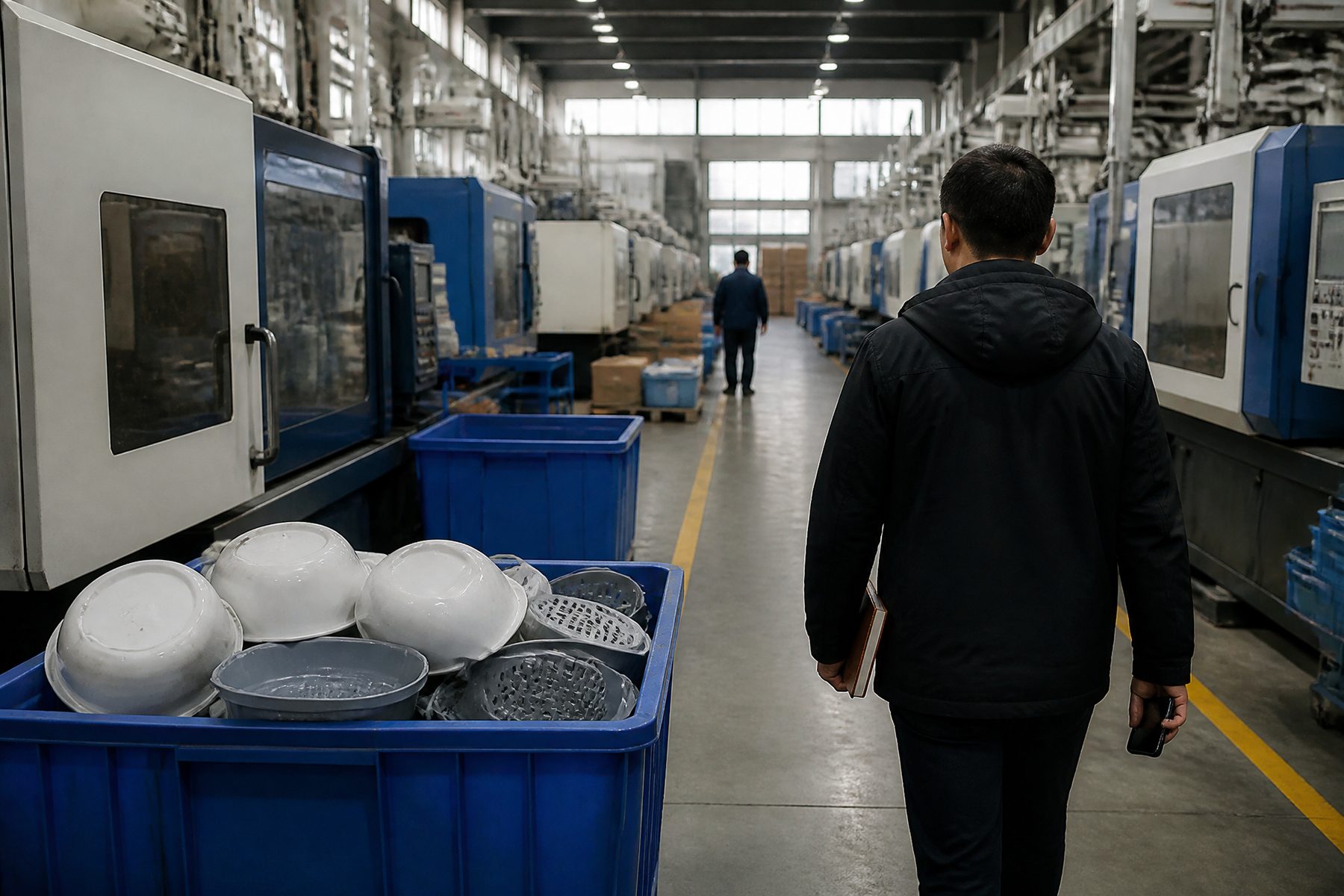
Every pet product group is made in one or two towns. Beds and soft goods: Jinhua and Hangzhou, Zhejiang. Injection-molded bowls and litter boxes: Taizhou (Huangyan). Pumps and fountains: Zhongshan. Wire cages: Linyi, Shandong and Zunhua, Hebei. Scissors and clippers: Yangjiang. A supplier outside the cluster is usually a trader buying from inside it. Our category pages list the cluster for each product group.
Search 1688, not only Alibaba
Alibaba.com is the export storefront; 1688.com is the domestic wholesale site where the same factories list at domestic prices. It is in Chinese and needs a Chinese payment method, which is the practical reason a sourcing agent exists. On 1688, the supplier card shows years trading, a staff band, on-time delivery rate and whether the listing is a factory or a trading company.
Screen on five signals
Listed as a manufacturer; four or more years on the platform; a stated staff count; on-time delivery at or above 96 percent; and product photos taken on a factory floor rather than studio renders. Reject on any one. This cuts forty candidates to five in an afternoon.
Ask three questions before a sample
What is the MOQ per color and per SKU? What is the price at MOQ and at three times MOQ? What is the sample cost and lead time? A factory answers all three in one message. A trader has to ask someone.
Pay for two samples, not one
Order the same product from two shortlisted factories. Compare them side by side: stitching, plastic finish, weight, packaging. The sample costs $20 to $80 each; the comparison is worth more than any certificate.
Negotiate after the sample, not before
Price moves 10 to 20 percent between the first quote and the production order, and the lever is volume commitment and payment terms, not haggling on the first call. With a sample in hand you know what you are negotiating for.
Inspect before the balance is paid
A pre-shipment inspection on an AQL 2.5 sample of the packed goods, with photos, before the final 70 percent is released. Skipping it is the single most common mistake on a first order. Third-party inspectors charge roughly $250 to $350 per day in China; a sourcing agent usually includes it in the service fee.